Simulation-driven gasket validation for reliable flange joints
Corrmatec develops engineering solutions for leakage validation, gasket assessment and flange joint integrity based on EN 1591, EN 13555 and ASME standards.
Simulation-driven decisions
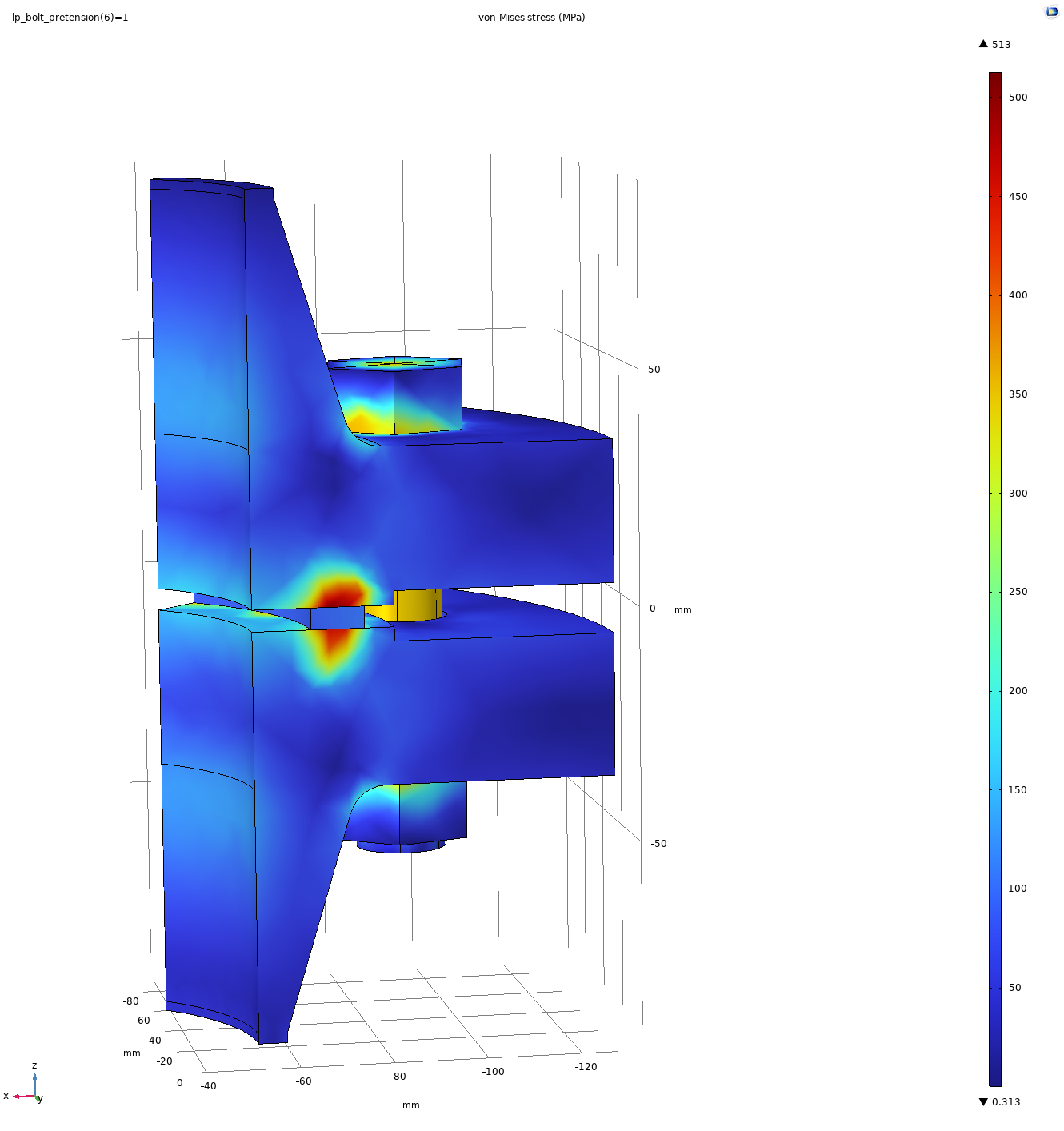
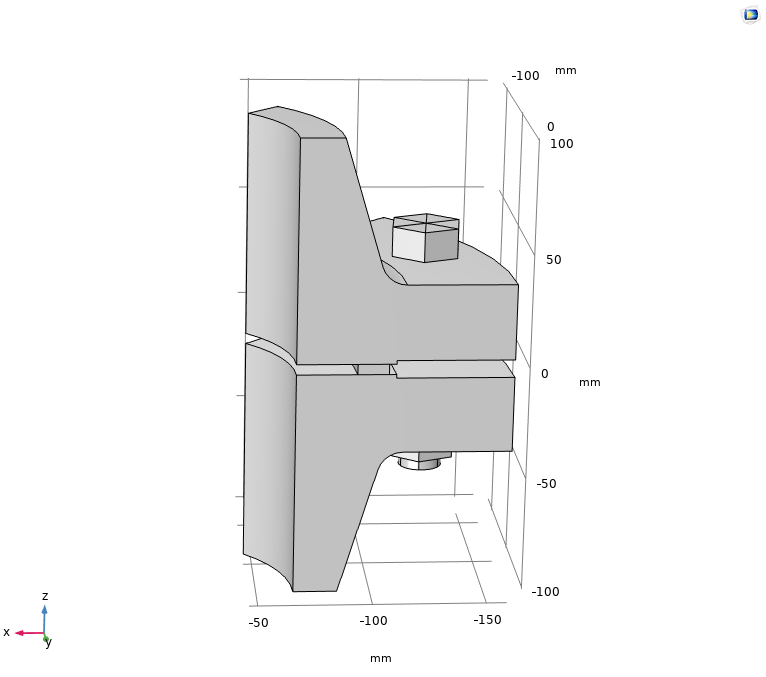
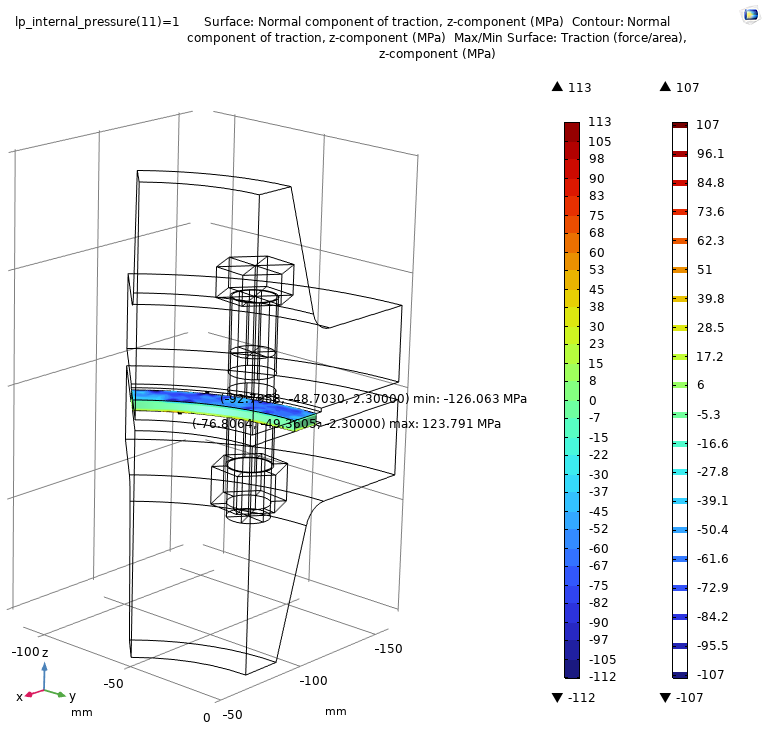
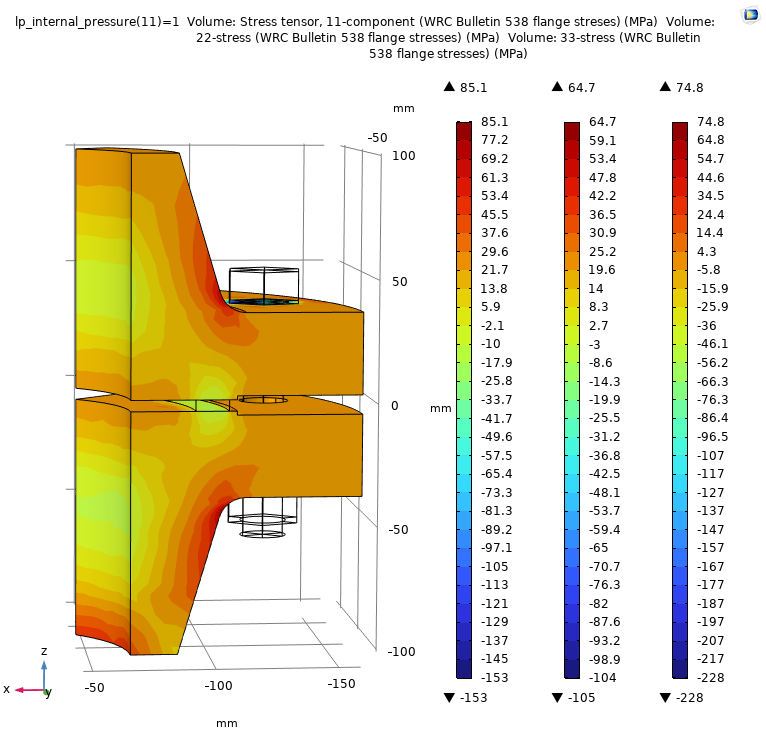
Combines geometry, bolt load, contact
pressure and leakage assessment.
Fornebu, Norway
Standards-based validation
Based on EN 1591, EN 13555, ASME B16.5
and ASME B16.20.
Fornebu, Norway
Independent engineering
Not tied to gasket suppliers or catalogue-only
selection methods.
Fornebu, Norway
Request demo or pilot project
Corrmatec is currently seeking pilot projects and industrial cooperation partners
Fornebu Norway
Fornebu, Norway